Accessing Potential: How Montessori Strategies Advance Learning for Every Child
Montessori systems furnish a unique tactic to pedagogy that emphasizes independence, intellectual curiosity, and critical thinking. By designing prepared environments and harnessing hands-on materials, these methods address assorted cognitive styles. Multi-generational classroom environments strengthen collaboration and enable children to progress at their own pace. This multifaceted method not only fortifies academic skills but also supports personal growth. What effects could this have for the educational horizon? Exploring these questions reveals profound insights.
The Central Guidelines of the Montessori Teaching Approach
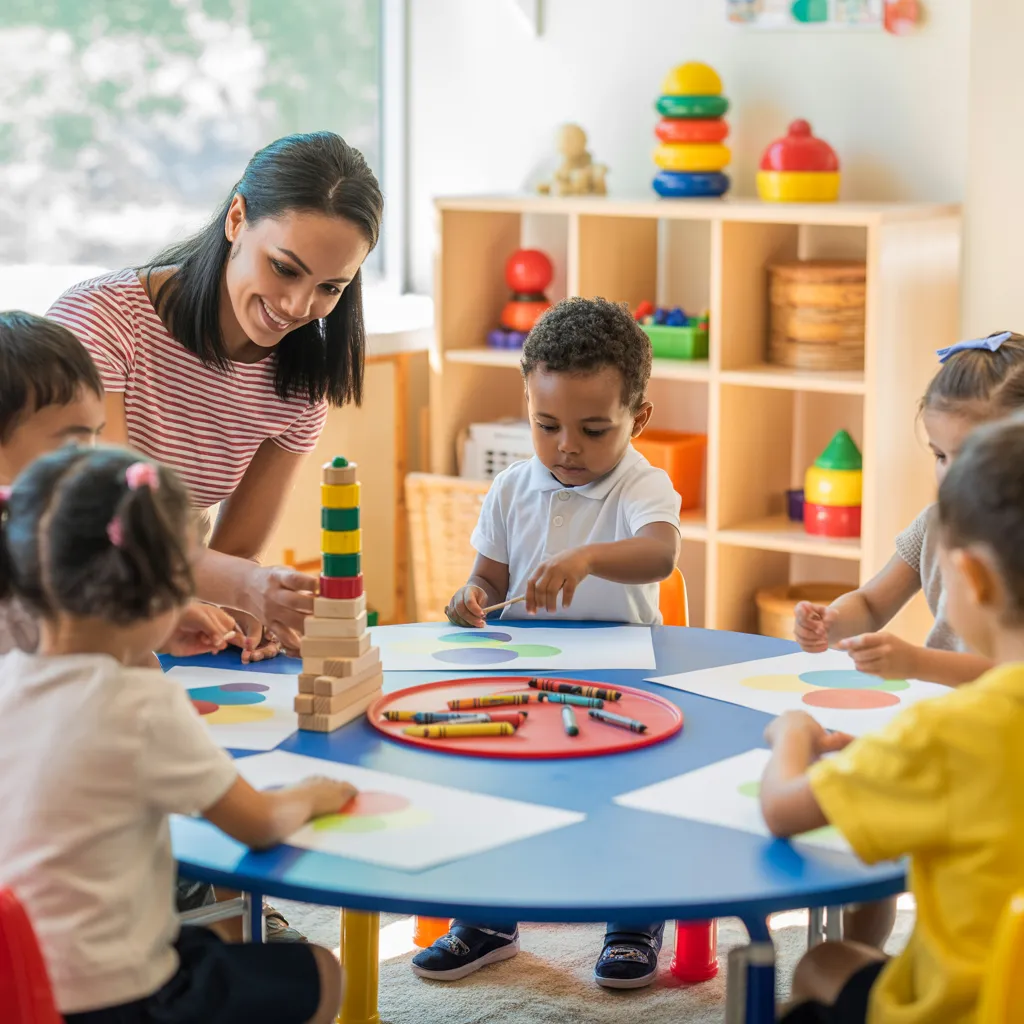
Montessori education is based on several key principles that shape its method of learning. At the core of this philosophy is the belief in each child's innate potential, emphasizing respect for their individual developmental pace. The prepared environment has a vital role, designed to encourage exploration and self-directed activity. The materials are carefully selected to be engaging and suitable for developmental stages, allowing children to learn through practical, hands-on experiences. Moreover, the Montessori approach promotes a mixed-age classroom, supporting collaboration and peer learning. Teachers serve as guides rather than traditional instructors, facilitating learning while observing and backing each child's unique journey. This holistic method nurtures not only cognitive skills but also social and emotional growth, fostering a lifelong passion for learning. Through these principles, Montessori education seeks to build independent, confident learners ready to navigate the world around them.
Montessori Approach Develops Self-Direction in Students
Montessori education exclusively encourages independence in children through self-directed learning, allowing them to lead their educational journey. By focusing on hands-on life skills, children gain confidence in their abilities to handle everyday tasks. Moreover, the choice freedom motivates them to make decisions, further improving their autonomy and self-reliance.
Encouraging Independent Education
Encouraging independence in children, the Montessori method emphasizes learner autonomy as a central principle. This approach motivates children to guide their educational experience, permitting them to pick activities that fit their interests and stages of development. By creating a prepared environment equipped with materials, educators support exploration and discovery, empowering students to acquire knowledge at their own rhythm. This independence not only cultivates critical thinking and problem-solving skills but also fosters responsibility. As children work on self-directed tasks, they build confidence in their capabilities, amplifying their intrinsic motivation. Ultimately, the method produces lifelong learners possessing the skills required to navigate an ever-evolving world, setting a firm foundation for future educational achievements.
Practical Life Abilities
Supporting youngsters in mastering real-life abilities forms a fundamental part of Montessori education. Through hands-on activities, youngsters learn essential tasks such as pouring, sweeping, and dressing, which develop independence and confidence. Designed to be age-appropriate, these activities let children participate at their own speed. Practicing these real-life skills helps them develop fine motor coordination and cognitive functions, which strengthens their sense of achievement. Furthermore, focusing on responsibility cultivates a bond with their environment and community. By working through these tasks, children develop problem-solving abilities and grasp the impact of their actions. Ultimately, practical life skills not only prepare children for daily living but also encourage a lifelong love for learning and self-sufficiency.
Freedom of Selection
Children who take part in real-world competencies create a solid base for independence, which is strengthened by the liberty to choose fundamental to Montessori education. This approach enables children to choose activities that resonate with their passions and learning stages, fostering a sense of ownership over their learning. By selecting options, they learn to assess their preferences, organize time, and strengthen critical thinking abilities. This independence fosters internal motivation and confidence, as children progress along their educational journey at their personal speed. Furthermore, the classroom setting is thoughtfully constructed to enable these choices, with learning tools within reach and appealing. As an result, children in Montessori classrooms not only cultivate autonomy but also build a enduring enthusiasm for discovery through exploration and discovery.
How Experiential Learning Sparks Curiosity
Hands-on learning operates as a stimulus for wonder in children by activating their senses and promoting active participation. This approach promotes independent exploration, letting students to discover concepts through their own experiences. Additionally, it strengthens creative critical thinking, arming learners to navigate challenges in novel ways.
Connecting Via Sensory Experiences
Numerous research studies stress the significant effect of tactile engagement in primary learning, showing how hands-on contact can spark fascination. In Montessori classrooms, children engage with resources that activate their senses, fostering discovery and education through touch, sight, sound, and movement. For instance, employing sandpaper letters enables children to feel the shapes of letters while simultaneously gaining to recognize them. This multisensory method not only strengthens mental development but also fosters emotional bonds to the learning process. As children work with various objects, they cultivate fine motor skills and spatial awareness, essential for future academic success. In conclusion, sensory experiences build a vibrant, engaging environment that supports curious minds, transforming learning a dynamic and enjoyable journey.
Encouraging Self-Sufficient Exploration
Building on the value of sensory experiences, nurturing independent exploration acts as a natural extension of Montessori principles. Within this strategy, children are encouraged to engage with their environment independently, enabling them to explore their interests and questions. Hands-on learning activities create opportunities for students to work with materials and grasp concepts at their own pace. This autonomy not only stimulates curiosity but also fosters confidence, as children learn to trust their intuition and make choices. By providing an environment rich in resources and tools, educators assist this exploration, guiding children to follow their inherent inquisitiveness. Ultimately, nurturing independent exploration builds a lifelong enthusiasm for learning, empowering children to seek knowledge beyond the classroom.
Supporting Inventive Problem-Solving
Engaging with tactile materials sparks children's imaginations and promotes creative problem-solving. In Montessori environments, hands-on activities allow children to explore concepts through firsthand engagement. This approach cultivates inquisitiveness, enabling learners to test ideas and iterate on their ideas. When faced with challenges, children learn to create multiple solutions, enhancing their critical thinking skills.
The use of manipulatives, such as building blocks or art supplies, invites experimentation and bold exploration in a safe space. Children are inspired to pose inquiries and find solutions independently, developing resilience and adaptability. This approach nurtures not only academic skills but also social awareness, as children collaborate and share insights. Ultimately, Montessori techniques transform traditional learning by empowering students to become effective innovators.
How Montessori Models Advance Academic Accomplishment
Montessori techniques cultivate a distinctive learning environment that improves scholastic achievement by encouraging independent discovery and analytical reasoning. In this approach, learners interact with hands-on materials that accommodate different educational preferences, promoting more comprehensive comprehension of concepts. The focus on individualized learning allows students to progress at their own pace, fostering a sense of ownership over their learning.
Furthermore, the mixed-age classrooms advance peer learning, where younger students can absorb lessons from older peers, cementing knowledge through teaching. This community-oriented environment fosters communication skills and cultivates a love for learning. Teachers operate as guides rather than traditional instructors, supporting inquiry and exploration.
Assessment in Montessori settings emphasizes mastery rather than grades, supporting students in cultivating self-directed drive. As a outcome, children frequently display superior academic durability, leading to improved performance in standardized assessments. Overall, Montessori methods build a strong foundation for ongoing education and academic achievement.
Fundamental Life Competencies Formed Via Montessori Schooling
Fostering independence and responsibility, Montessori education builds essential life skills that extend beyond textbook learning. This approach encourages children to be self-directed and follow their own decisions, fostering judgment skills vital for prospective accomplishment. By undertaking hands-on activities, students strengthen problem-solving skills and learn to manage time effectively. The emphasis on collaboration within multigenerational learning spaces also nurtures social skills, conveying to children kindness and appreciation for different perspectives.
Additionally, Montessori instruction promotes self-discipline via structured routines, helping children comprehend the consequences of their choices. Practical hands-on experiences, including preparing food and plant cultivation, instill a feeling of accountability and concern for their surroundings. These undertakings not only improve motor skills but also build assurance and strength. At the end of the day, the practical abilities obtained through Montessori instruction empower children to deal with obstacles and respond to unfamiliar situations, equipping them for a satisfying future.
Customizing Montessori Education for Different Learning Styles
Tailoring educational methods to meet diverse learning styles enables a more inclusive and productive learning environment. Montessori education is naturally adaptable, recognizing that children learn in various ways—visually, auditorily, and kinesthetically. Through hands-on activities and materials, students engage with concepts in a fashion that matches their individual preferences.
Teachers monitor each child carefully, recognizing individual strengths and weaknesses. This observation informs personalized lesson plans that align with each learner's style, fostering deeper understanding and retention. For instance, a child who excels in spatial reasoning may gain from manipulating geometric shapes, while another might thrive through storytelling.
This versatility encourages a sense of self-direction, prompting students to take charge of their learning journey. By respecting and responding to diverse learning styles, Montessori education not only enhances academic achievement but also fosters a love for learning that extends beyond the classroom.
Setting Learners Up for Lifelong Mastery: The Montessori Advantage
An schooling that respects unique learning approaches forms a strong groundwork for sustained achievement. The Montessori technique stresses autonomous learning, permitting children to copyrightine their interests at their own tempo. This strategy cultivates strategic reasoning and problem-solving skills, crucial characteristics in an rapidly shifting world. By encouraging autonomy, students learn to embrace accountability for their education, readying them for future challenges.
Additionally, the multi-age classroom setting promotes teamwork and reciprocal education, enhancing social skills and emotional intelligence. Children develop respect for varied viewpoints, which is important for success in worldwide settings. The emphasis on practical, direct experience further furnishes students with applicable abilities relevant beyond the classroom.
Ultimately, the Montessori benefit exists within its comprehensive approach, fostering not only scholarly skills but also personal growth. This inclusive educational framework prepares children to navigate life's complexities, guaranteeing they have the tools required for lasting achievement.
Frequently Asked Questions
Which Age Brackets Benefit Significantly From Montessori Education?
Children aged 3 to 6 years gain review significant benefits from Montessori education, as this stage cultivates independence and self-directed learning. However, older age groups, including elementary students, also develop valuable skills through the Montessori approach.
In What Ways Does Montessori Education Accommodate Children With Special Needs?
Montessori education supports children with special needs by providing personalized educational instruction, fostering independence, and allowing flexibility in pace. This tailored approach allows diverse learners to flourish in a caring and encouraging setting, promoting their unique strengths.
Do Montessori Facilities Require More Money Than Traditional Schools?
Montessori educational institutions typically have higher tuition compared to standard schools, chiefly because of limited student numbers, tailored educational tools, and customized learning. However, expenses can fluctuate widely depending on geographic location and particular educational packages.
What Qualifications Do Montessori Teachers Need?
Montessori teachers typically need a university degree and specialized training in Montessori approaches, which incorporates both scholarly understanding and direct experience. Accreditation from authoritative Montessori bodies is often mandatory for teaching in authorized institutions.
What Ways Can Parents Reinforce Montessori Philosophies in the Household?
Parents can support Montessori principles at home by designing a well-organized space, cultivating self-sufficiency, providing selections, fostering discovery, and emphasizing hands-on learning. Having unstructured dialogue also improves analytical reasoning and nurtures a young person's inherent wonder.